How Does God's Name Connect Heaven and Earth? Understanding Its Role in Catholic Beliefs and Practices
Discovering the profound significance and power of God's Name in Catholicism through the lens of Psalm 54.

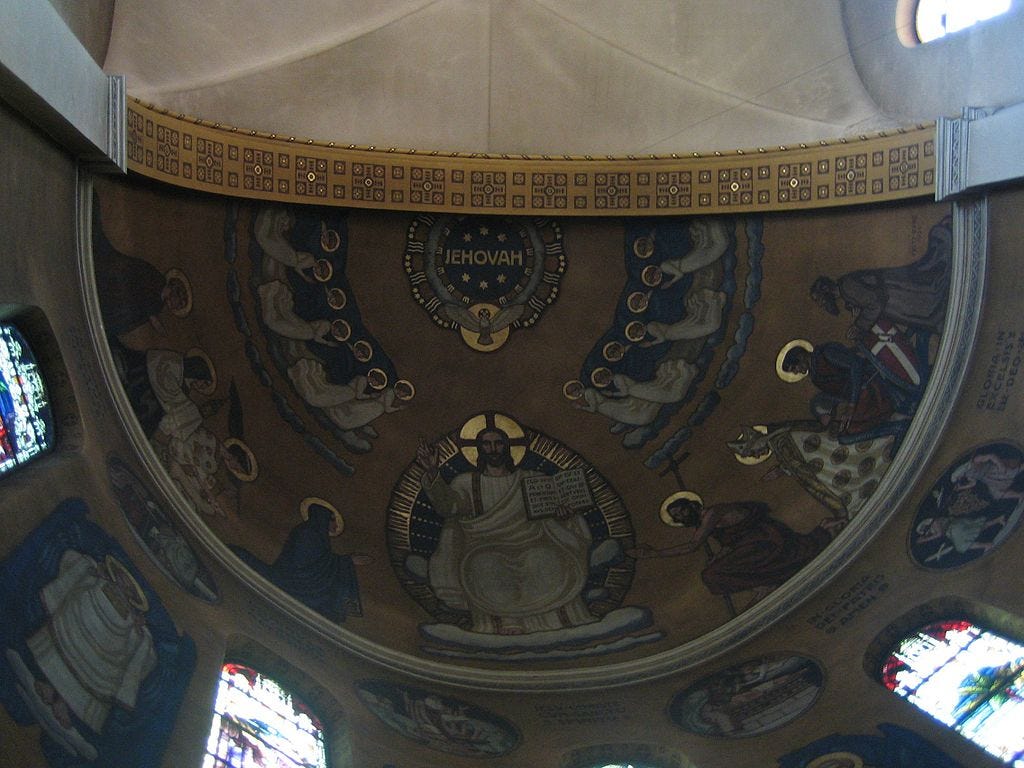
The Catholic faith is centered around the belief in one true God, a loving Creator and protector of all creation. A key aspect of this faith is the power and significance of God's Name1, which is not merely a word, but a profound expression of His Divine Essence and loving presence. This article aims to provide those exploring Catholicism with an understanding of the importance of God's Name in Catholic theology, drawing on the insights of a scriptural passage, Psalm 54 (Vulgate 53)2.
The Meaning Behind God's Name:
In the Catholic tradition, the Name of God is not just a label, but a symbol of His Divine Presence and Eternal Nature. When the psalmist3 calls upon God's Name, he is invoking the power and protection of the Almighty. This reflects the belief that by invoking God's Name, one is not just uttering words, but rather connecting with His Divine Essence and seeking His guidance and support.
O God, hear my prayer: give ear to the words of my mouth.
Psalm 54, 4 (Psalm 53, 3)
God as Helper and Protector:
The passage in Psalm 54 highlights the intimate relationship between God and His Faithful, who rely on His Power and Protection in times of need. It emphasizes that God is not a distant or indifferent Being but is deeply involved in the lives of His people. This underscores the importance of faith and trust in God's loving care, which is a cornerstone of Catholic spirituality.
For behold God is my helper: and the Lord is the protector of my soul.
Psalm 54, 6 (Psalm 53, 6)
The Sacredness of God's Name:
In Catholicism, the Name of God is treated with great reverence and respect, as it is considered sacred. This reverence manifests in various ways, reflecting the deep honor and devotion Catholics hold for the divine presence it represents:
In liturgical prayers4 and gestures, such as during the celebration of the Mass or other sacraments, Catholics often invoke God's Name with great reverence. They also make the Sign of the Cross5 while saying "In the Name of the Father, and of the Son, and of the Holy Spirit," as a sign of respect and a reminder of the Holy Trinity6.
Catholics are taught to avoid using God's Name inappropriately, such as in swearing, cursing, or in casual conversation, in accordance with the Second Commandment: "Thou shalt not take the name of the Lord thy God in vain" (Exodus 20:7).
Artwork, statues, and other religious objects that depict God, Jesus, the Holy Spirit, or the Holy Trinity are treated with reverence, as they are visual representations of the divine. This reverence often includes practices such as genuflection7, prayer, and the use of incense.
Catholics show reverence for God's Name through prayer and meditation, invoking His Name with humility and devotion. This can be done in personal prayer or during communal worship, such as the recitation of the Rosary8 or the Divine Mercy Chaplet9.
In some instances, Catholics may choose to express their reverence for God's Name through silence, particularly during moments of deep prayer or reflection in a sacred space like a church or chapel.
By treating God's Name with such reverence, Catholics are reminded of His Divine Presence and the importance of maintaining a relationship with Him.
I will freely sacrifice to thee, and will give praise, O God, to thy name: because it is good.
Psalm 54, 8 (Psalm 53, 8)
The Transformative Power of God's Name:
The psalmist credits the invocation of God's Name with delivering him from trouble and enabling him to triumph over his enemies. This demonstrates the transformative power of God's Name in the lives of believers, who find strength and solace through their faith in Him. By invoking God's Name, Catholics believe that they are opening themselves up to His Divine Grace10 and guidance, which can bring about positive change and growth in their lives.
For thou hast delivered me out of all trouble: and my eye hath looked down upon my enemies.
Psalm 54, 9 (Psalm 53, 9)
For those exploring Catholicism, the importance of God's Name serves as a testament to the deep connection between the Creator and His creation. The Name of God is not just a word, but a powerful expression of Divine Presence, offering strength, protection, and a reminder of the intimate relationship between God and His people. By exploring the significance of God's Name in Catholic theology, one can gain a deeper appreciation for the richness and depth of this ancient and vibrant faith tradition.
Say this affirmation with us:
I trust in God as my helper and protector, knowing that He is deeply involved in my life and always present to support me.
In Brief
God's Name in Catholicism is more than just a word; it symbolizes His Divine Presence, power, and eternal nature, as highlighted in Psalm 54.
Catholics treat God's Name with great reverence, which is reflected in their prayers, gestures, and devotion, emphasizing their deep respect for the divine.
Invoking God's Name has transformative power in the lives of believers, providing them with strength, protection, and a deeper connection to the Creator.
God is referred to by various names and titles that highlight different aspects of His nature and attributes. Some of these names and titles include Yahweh (or Jehovah), which is derived from the Hebrew name for God (יהוה) and means "I am who I am"; Elohim, another Hebrew name for God that signifies His power and majesty; and titles like the Father, the Son (Jesus Christ), and the Holy Spirit, which refer to the persons of the Holy Trinity.
A passage from the Book of Psalms in the Bible, which is a collection of religious songs, poems, and prayers attributed to various authors. Psalm 54 (Psalm 53 in the Latin Vulgate and translations based on the Vulgate) is a prayer for deliverance from enemies and a plea for God's protection, highlighting the power and significance of God's Name.
A psalmist is a person who writes or composes psalms.
Prayers used in the public worship of the Church, such as during the celebration of the Mass or other sacraments. These prayers follow a set structure and are often recited or sung by the priest or other ministers, with responses from the congregation.
A gesture made by Christians, especially Catholics, to profess their faith and invoke the Holy Trinity. It involves tracing the shape of a cross on oneself, usually by touching the forehead, lower-middle chest, and both shoulders, while saying "In the name of the Father, and of the Son, and of the Holy Spirit."
A central doctrine in Christianity, which teaches that there is one God in three persons: the Father, the Son (Jesus Christ), and the Holy Spirit. These three persons are distinct yet coexist in unity, sharing the same divine essence.
A gesture of reverence made by bending one knee to the ground, typically performed by Catholics when entering or leaving a church, approaching the altar, or when the Blessed Sacrament (the consecrated bread and wine believed to become the Body and Blood of Christ) is exposed.
A form of prayer and meditation in the Catholic Church that involves the repetitive recitation of prayers (such as the Our Father, Hail Mary, and Glory Be) while reflecting on specific events in the lives of Jesus and Mary, called the Mysteries of the Rosary.
A form of prayer and devotion in the Catholic Church, based on the visions of Saint Faustina Kowalska, a Polish nun. The prayers of the Divine Mercy Chaplet are recited using a set of rosary beads and are focused on seeking God's mercy for oneself and the world.
The unmerited favor and assistance of God given to humans for their regeneration and sanctification. In Catholic theology, grace is a gift from God that helps believers grow in virtue, resist sin, and ultimately attain eternal salvation.